THOMTAX

Capital allowances

There is tax relief buried in your commercial property.

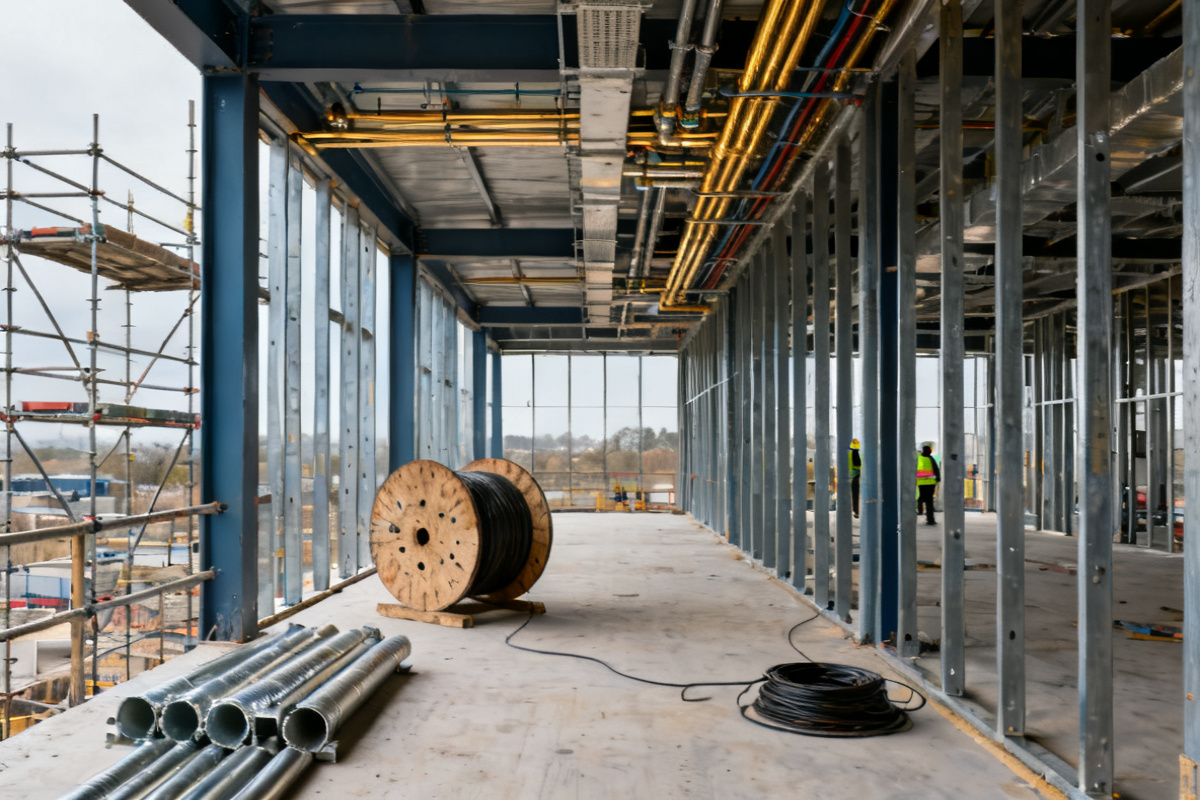
Every commercial building contains fixtures that qualify for capital allowances. The wiring, the heating, the lighting, the sanitaryware. Most owners have never claimed a penny of it, and nor have most tenants who paid for their own fit-out.

Read how it works

Start with your property

Owned or leased. A few questions, no cost, and a straight answer either way.
Where the relief hides

Capital allowances are not about the bricks. They are about everything inside the building that makes it work, and about who paid for it.

The reliefs in play

Main pool writing down allowance
18%
Special rate pool, integral features
6%
Annual Investment Allowance
£1m
Structures and Buildings Allowance
3%

The reason so much goes unclaimed is not complexity for its own sake. It is that identifying the qualifying items inside a building is a surveying job as much as an accounting one.

Your accountant sees a single figure on a completion statement. Nobody has broken that figure down into the heating, the electrics, the fire alarm and the fitted kitchen, because doing so takes a site survey and a valuation of each element.

That breakdown is the work. Once it exists, the allowances follow.

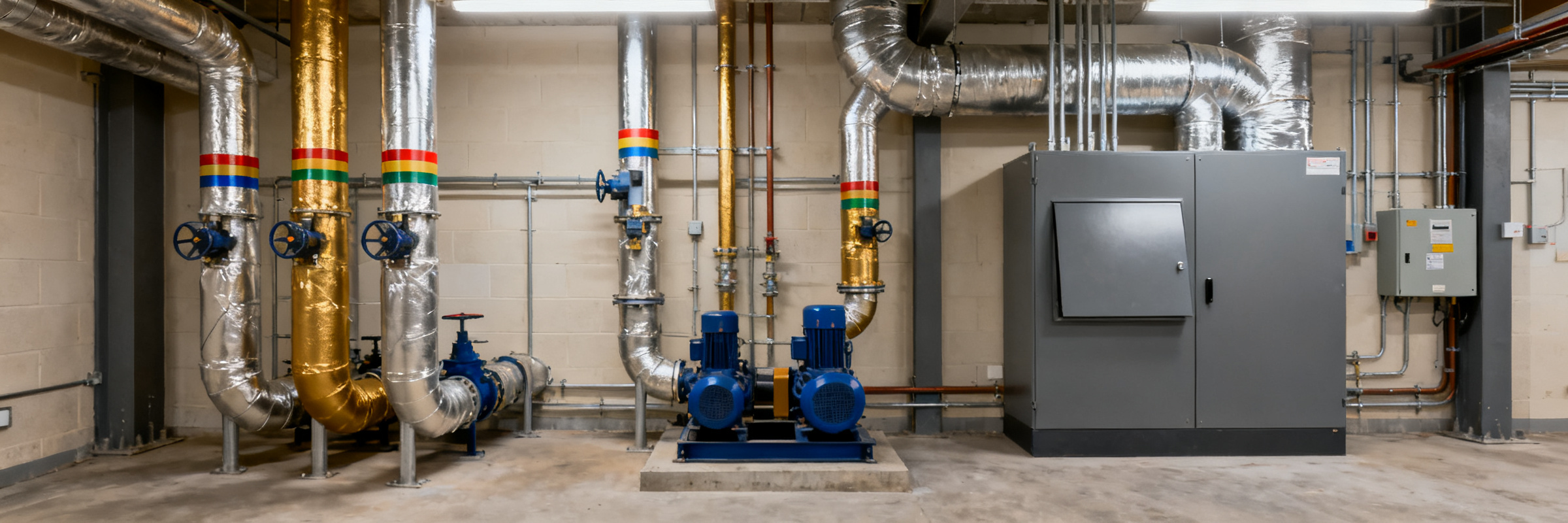
A commercial plant room: pipework, insulated ducting and an electrical distribution board
A plant room is not scenery. Almost everything in this photograph is qualifying expenditure somebody has already paid for.

Find your situation

Owning the building is not the only route in. What matters is who paid for the work, not whose name is on the title.

FAQ

The questions we get asked first

I bought the property years ago. Is it too late?
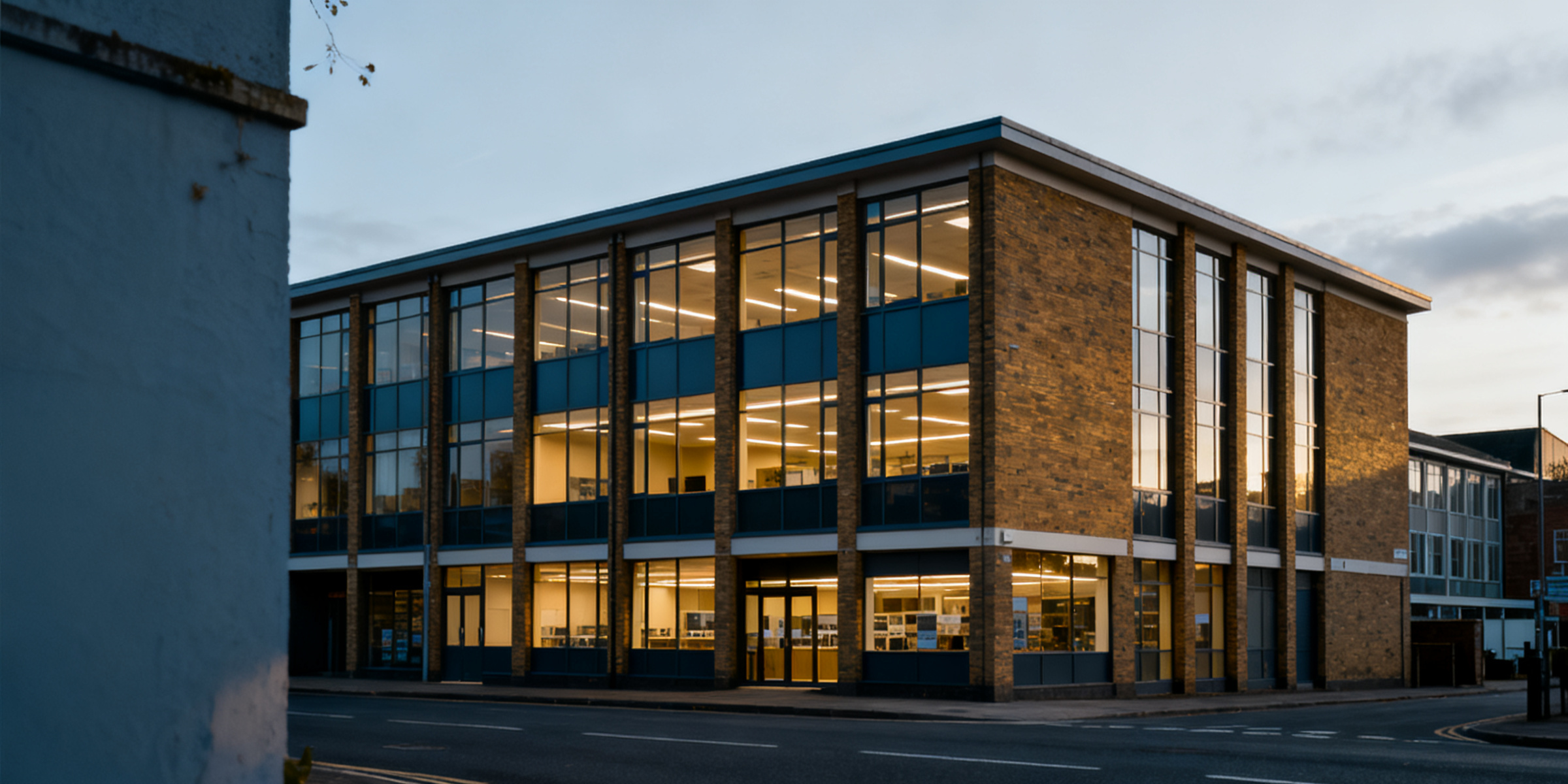
Usually not. Capital allowances do not expire simply because time has passed, and expenditure that has never been claimed can often still be brought into account while you still own the property. There are conditions, and they are stricter for purchases completed from April 2014 onwards, which is one of the things the check establishes.
My accountant already does my tax return. Would they not have claimed this?
Most accountants claim the allowances they can see. The fixtures inside a building are not visible on a completion statement or a set of accounts. Identifying them takes a survey and a valuation of each qualifying element, which sits outside the scope of ordinary compliance work. Good accountants refer this out rather than estimate it.
I lease my premises rather than own them. Can I still claim?
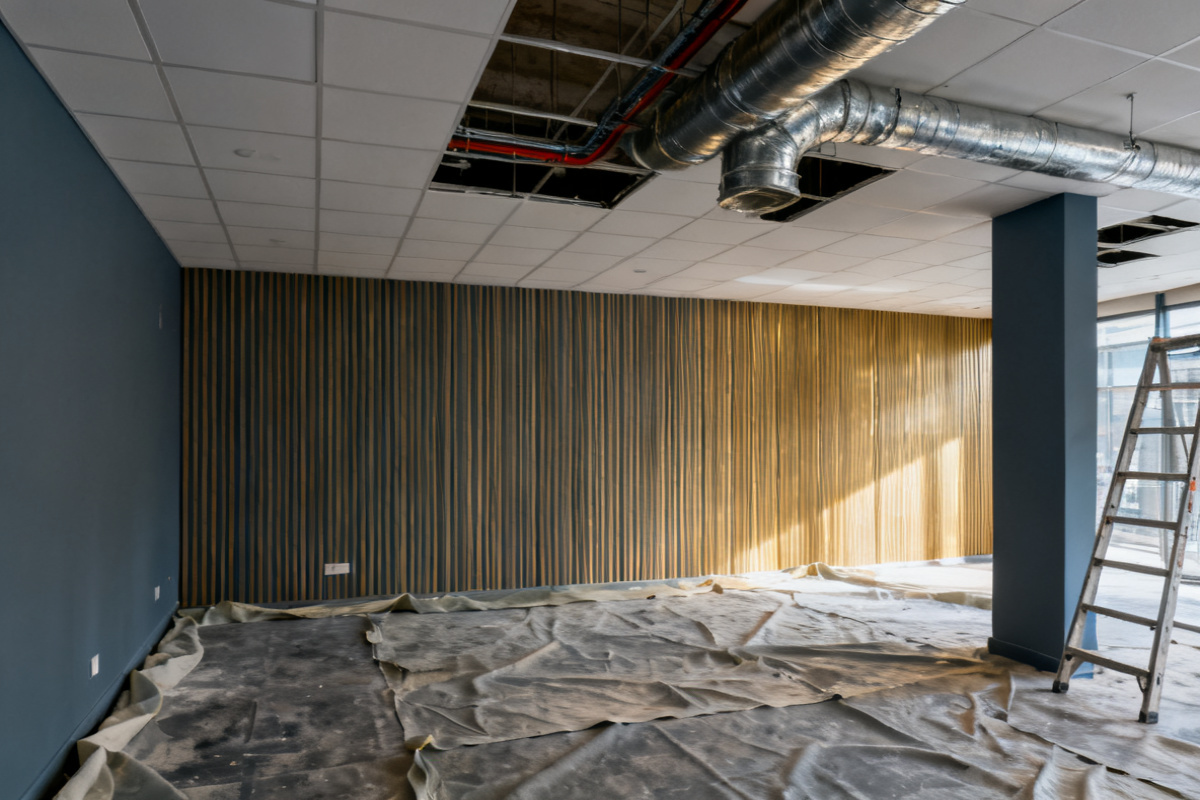
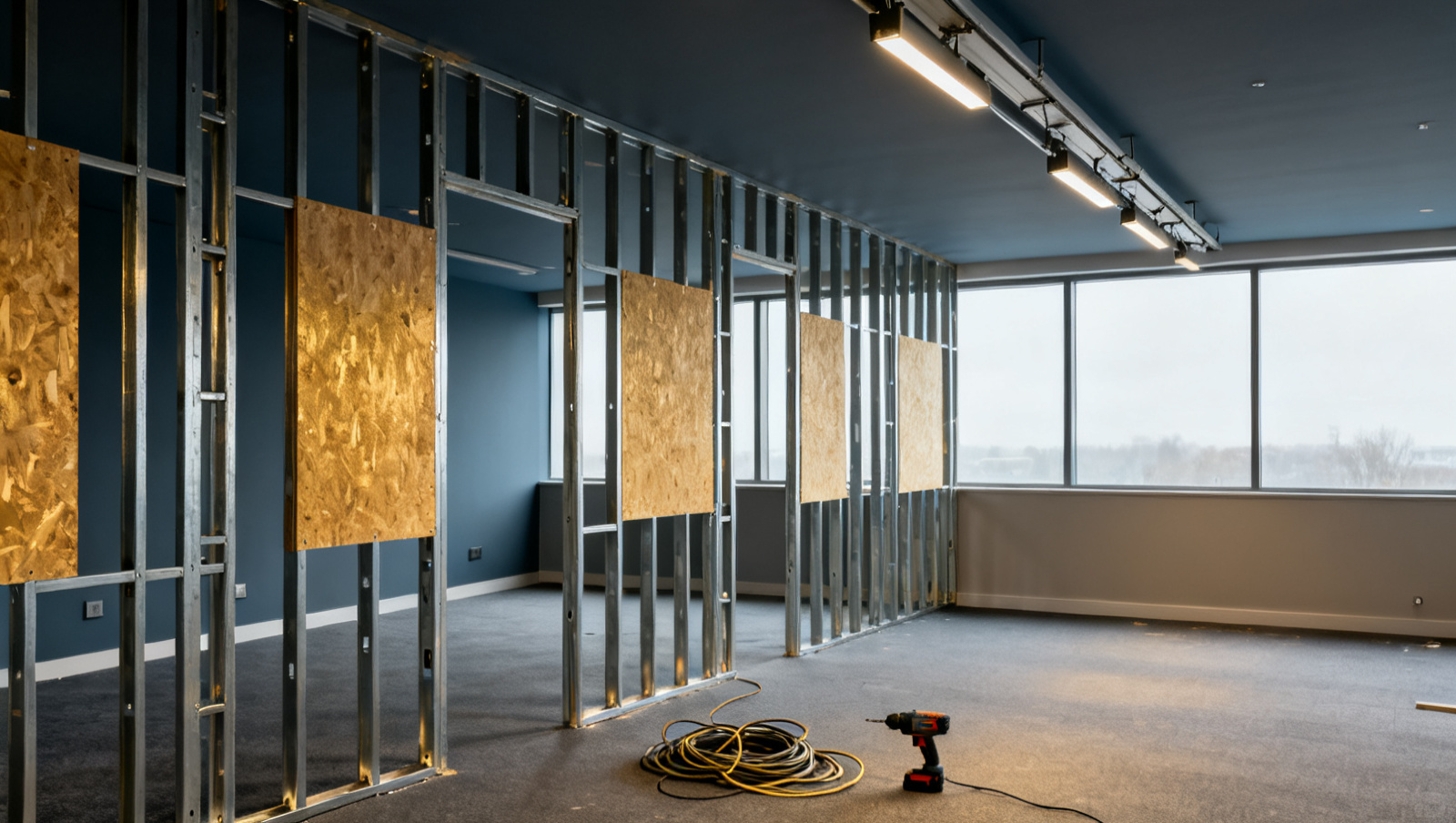
Usually yes, if you paid for the work. Capital allowances follow the person who incurred the expenditure, not the person who owns the freehold. A tenant who funded partitioning, air conditioning, lighting, a kitchen or data cabling can generally claim on it. Where a landlord contributed to the fit-out, the contribution affects who can claim what, which is one of the things the check establishes.
Does this work for residential property?
Generally no. Dwellings are excluded from plant and machinery allowances. Commercial property is the target, though some mixed use and communal areas can qualify, and holiday accommodation has its own treatment.
What happens after the check?
If the property looks like it qualifies, we introduce you to our partners at CapEx, who are capital allowances specialists and carry out the survey and the claim. If it does not, we tell you that and you have lost a few minutes.
What does the check cost?
Nothing. It is a short set of questions designed to establish whether there is a claim worth pursuing.

Find out what your building is holding.

A few questions about the property. No cost, no obligation, and a straight answer either way.
Find out what it is holding

Free, no obligation

Check your property